


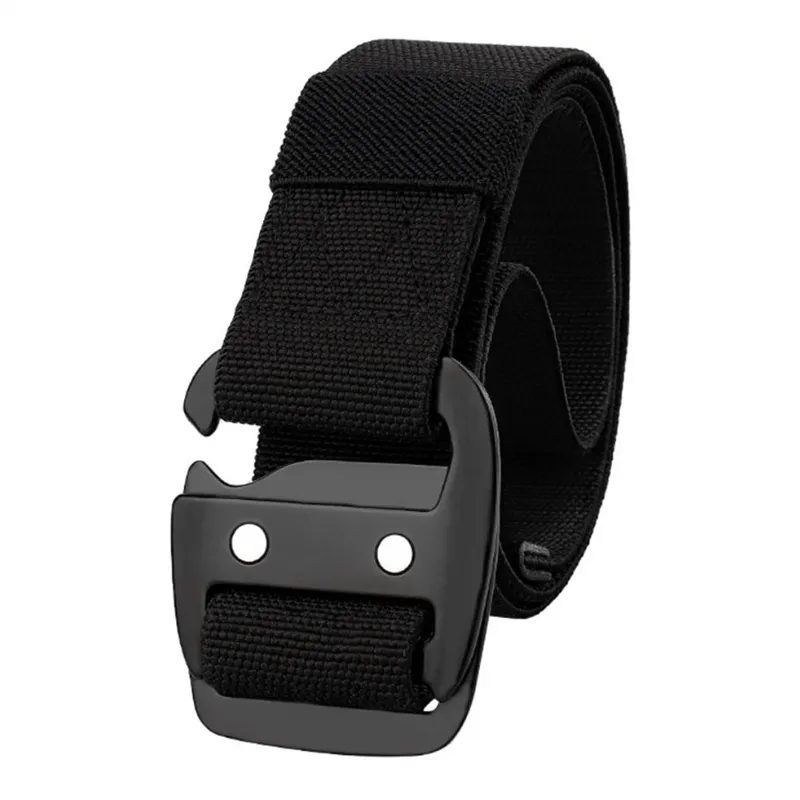
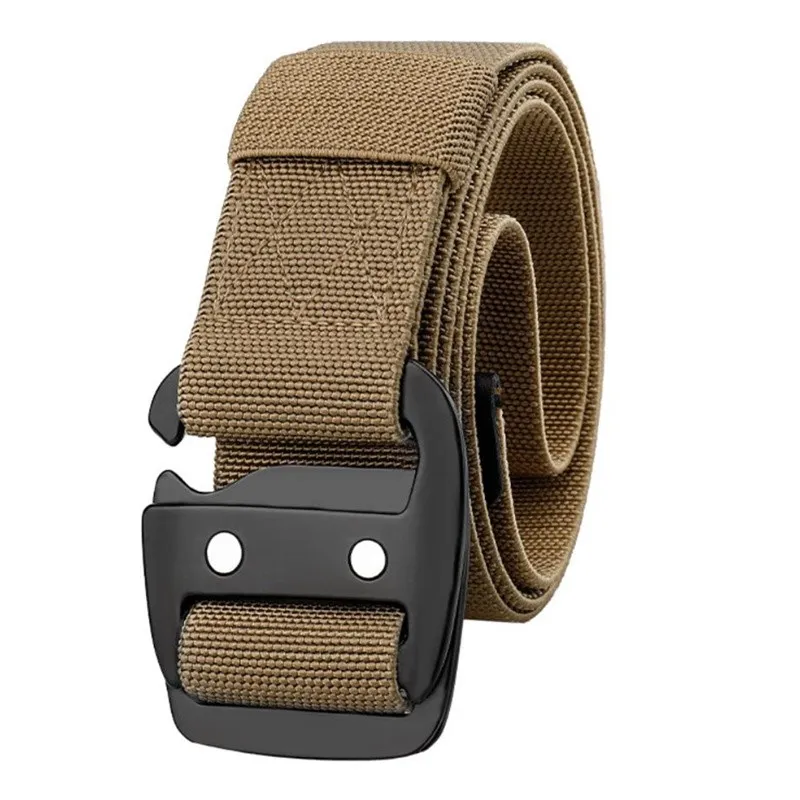
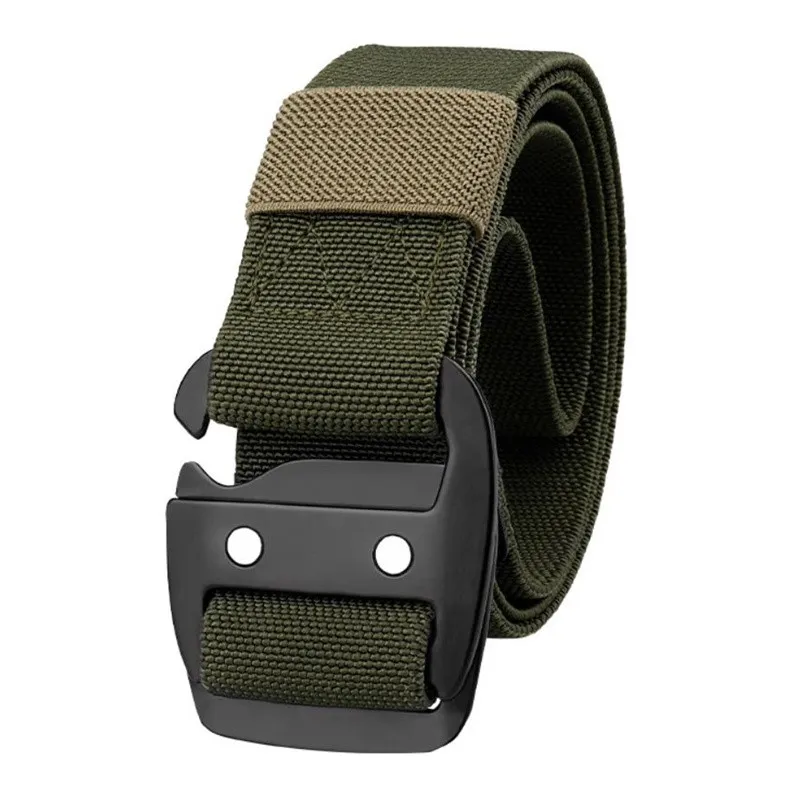
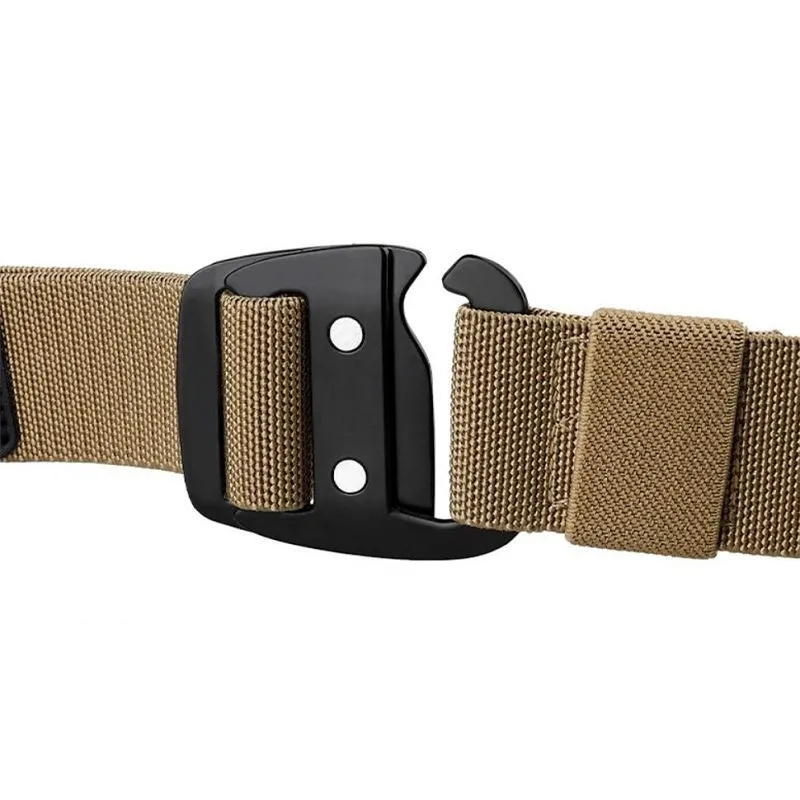
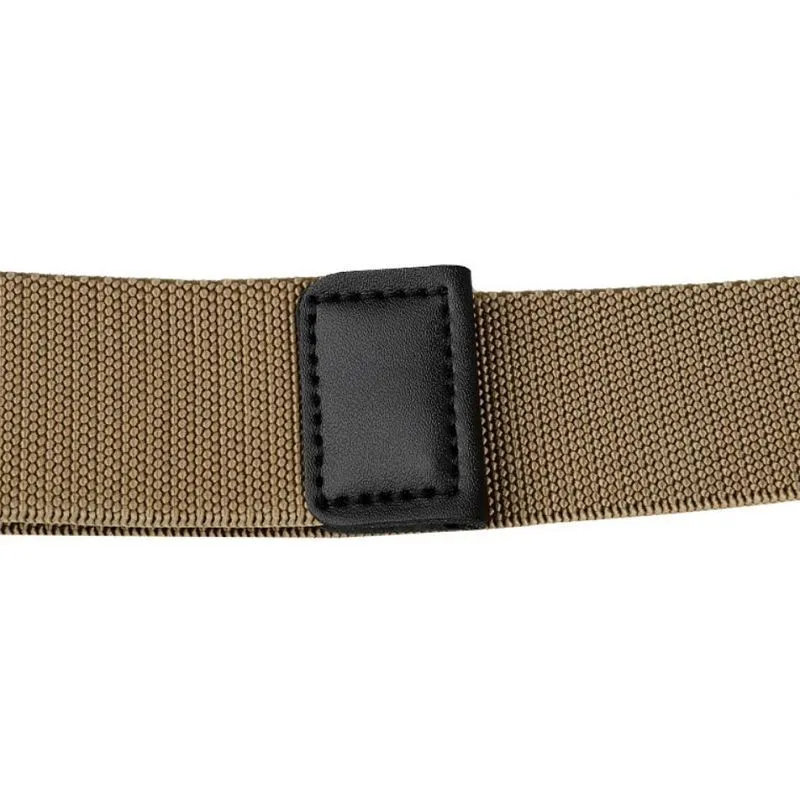
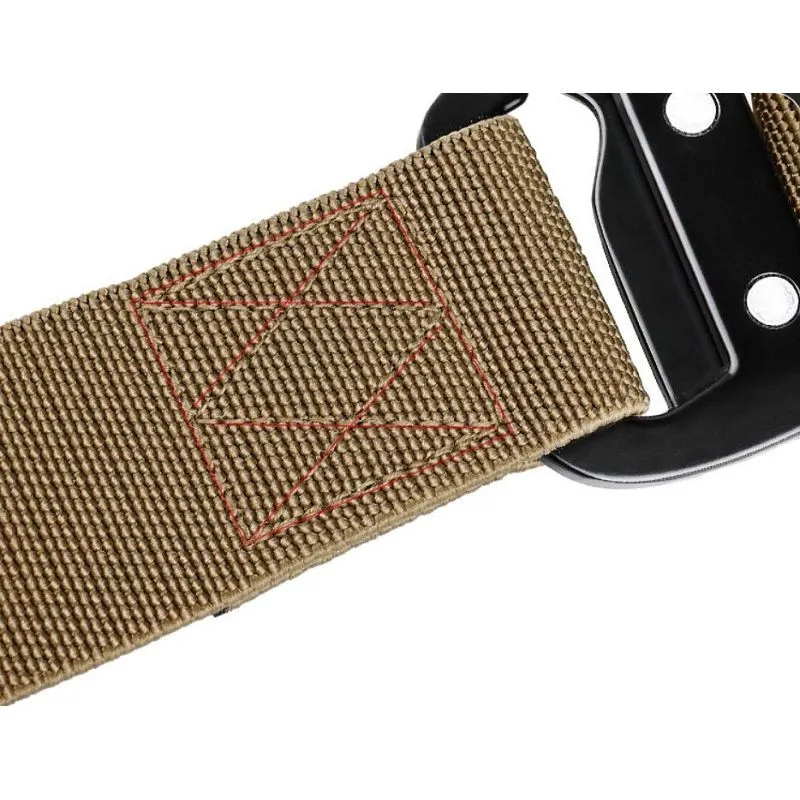
High Quality Police Tactical Belt
- Details:
Model: TB086
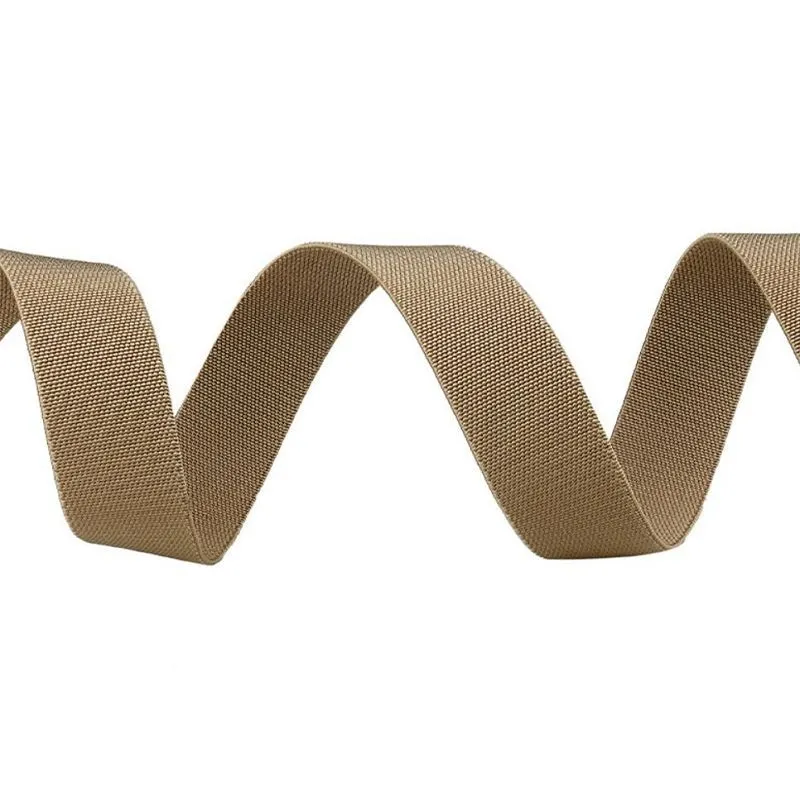
Belt material: elastic
Buckle material: zinc alloy
Color: Black, Green Khaki
Weight: 143g- Send Inquiry
LVC ENGINEERING HOLDINGS JOINT STOCK COMPANY is one of the leading manufacturers and suppliers of high quality police tactical belt in China. With abundant experience, we warmly welcome you to wholesale bulk high quality police tactical belt from our factory. Customized orders are welcome.
- Name: High Quality Police Tactical Belt High Elasticity Zinc Alloy Buckle Military Belt
- Model: TB086
- Belt material: elastic
- Buckle material: zinc alloy
- Color: Black, Green Khaki
- Weight: 143g
- Buckle size: length 6.5cm, width 5.5cm
- Belt size: length 120cm, width 3.8cm

Product Features
Tactical belts are specialized belts designed for professionals to stably carry and quickly access various tools and equipment in specific scenarios. Their key differences from ordinary everyday belts lie in their exceptional load-bearing capacity, modular design, and specific optimizations for reliability and durability.
FAQ
LVC ENGINEERING HOLDINGS JOINT STOCK COMPANY is one of the most professional bulletproof equipment manufacturers and suppliers in Viet Nam, featured by quality products and good service. Please rest assured to wholesale bulk customized bulletproof equipment from our factory.
Popular Products
-
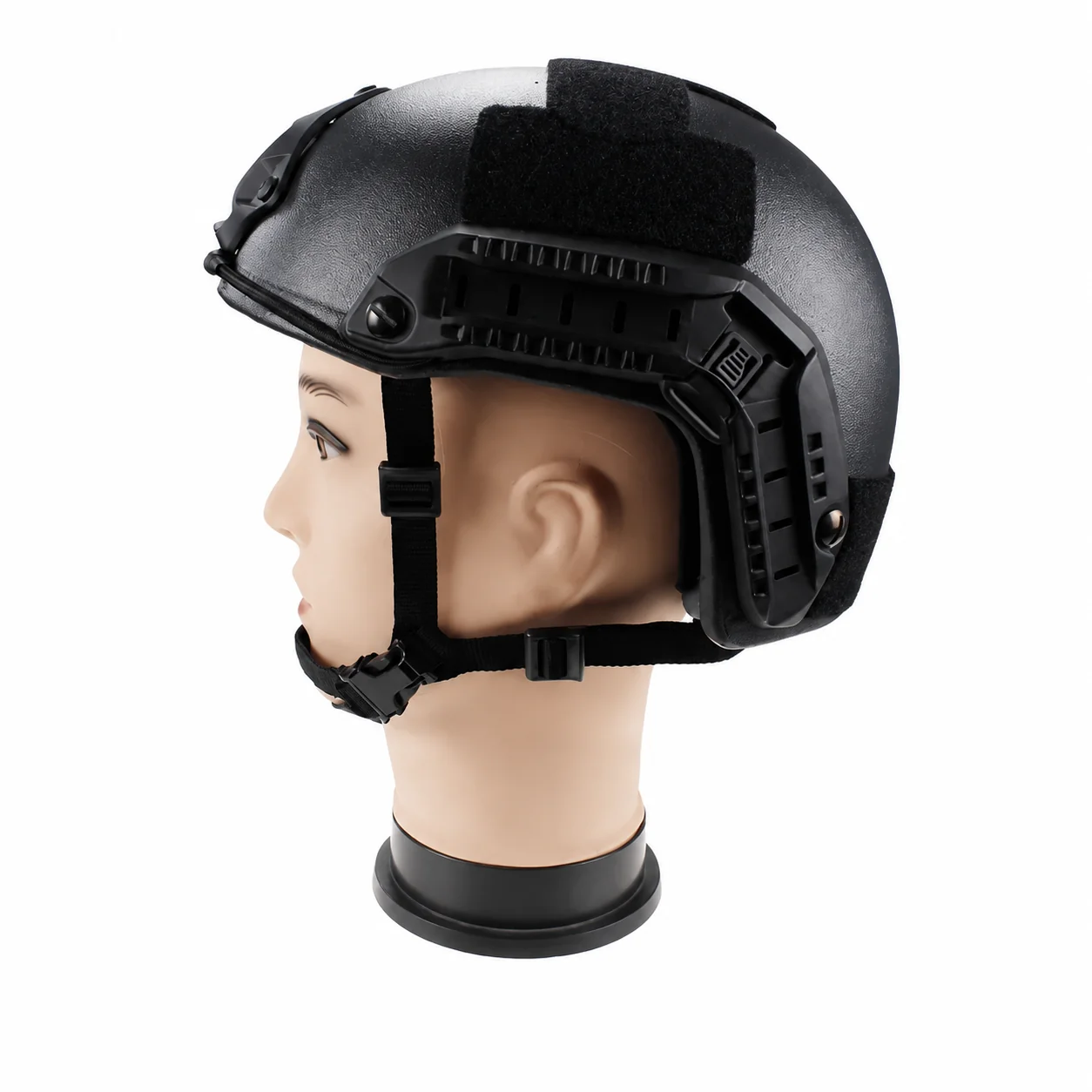 Military FAST Bulletproof Helmet NIJ IIIA Black
Model number: BH1417
Material: Aramid or UHMWPE
Unit weight: ≤1.50KG
Protective area: 0.11m^2
Thickness: 6.7-7.0mm -
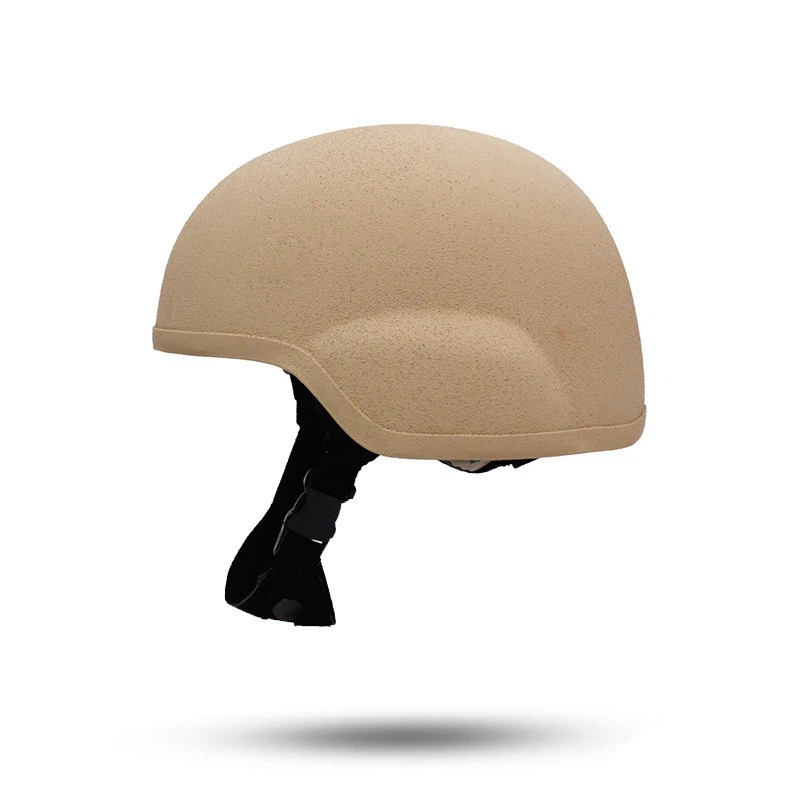 Bulletproof Helmet MICH2000 Khaki Color without Rails
Model number: BH2041
Material: Aramid or UHMWPE
Unit weight: ≤1.55KG
Protective area: 0.13m^2
Thickness: 6.7-7.0mm -
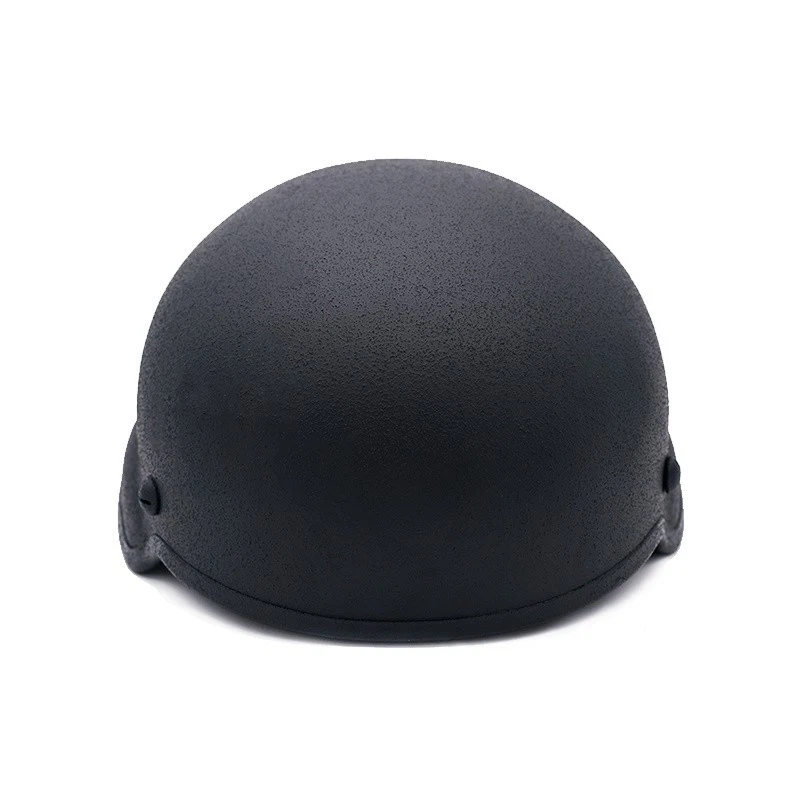 Bulletproof Helmet MICH2000 Middle Cut without Rails
Model number: BH2057
Material: Aramid or UHMWPE
Unit weight: ≤1.55KG
Protective area: 0.13m^2
Thickness: 6.7-7.0mm -
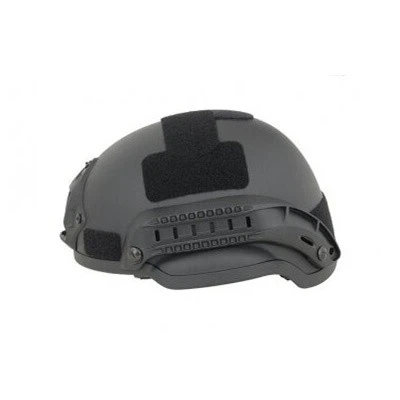 Police MICH Bulletproof Helmet Middle Cut with Tactical Rail
Model number: BH2469
Material: Aramid or UHMWPE
Unit weight: ≤1.55KG
Protective area: 0.13m^2
Thickness: 6.7-7.0mm -
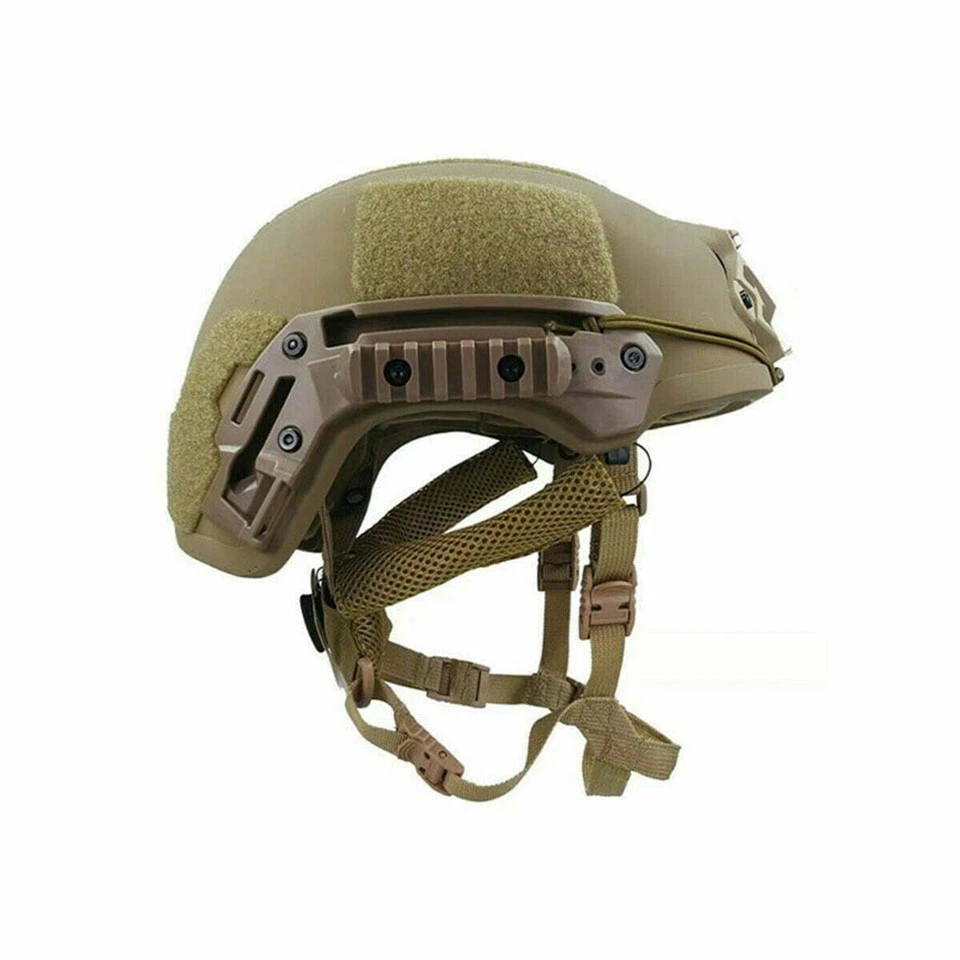 New Design ACH bulletproof helmet
Product model: BH2025
Level: IIIA 9mm
Material: aramid
Weight: 1.45kgs
The weight of the helmet: 1476 ± 50g -
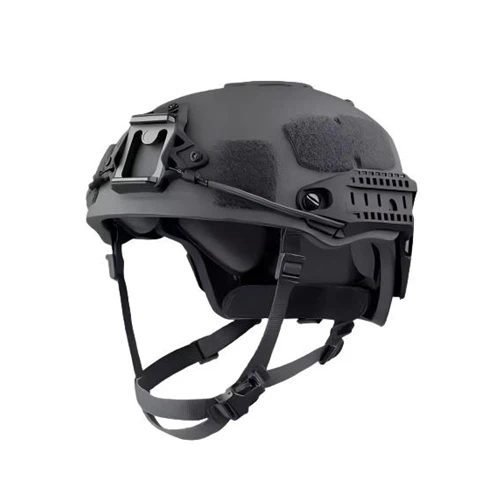 Police Airsoft bulletproof helmet
Product model: BH2024
Level: IIIA 9mm
Material: Aramid
The weight of the first half of the helmet: 573g, the weight of the rear helmet: 463g
The weight of the helmet: 1476 ± 50g
Send Inquiry
-
No. 174 Thanh Am Street, Viet Hung Ward, Ha Noi City, Viet Nam
Copyright © LVC ENGINEERING HOLDINGS JOINT STOCK COMPANY (Tax code: 0110592775)