


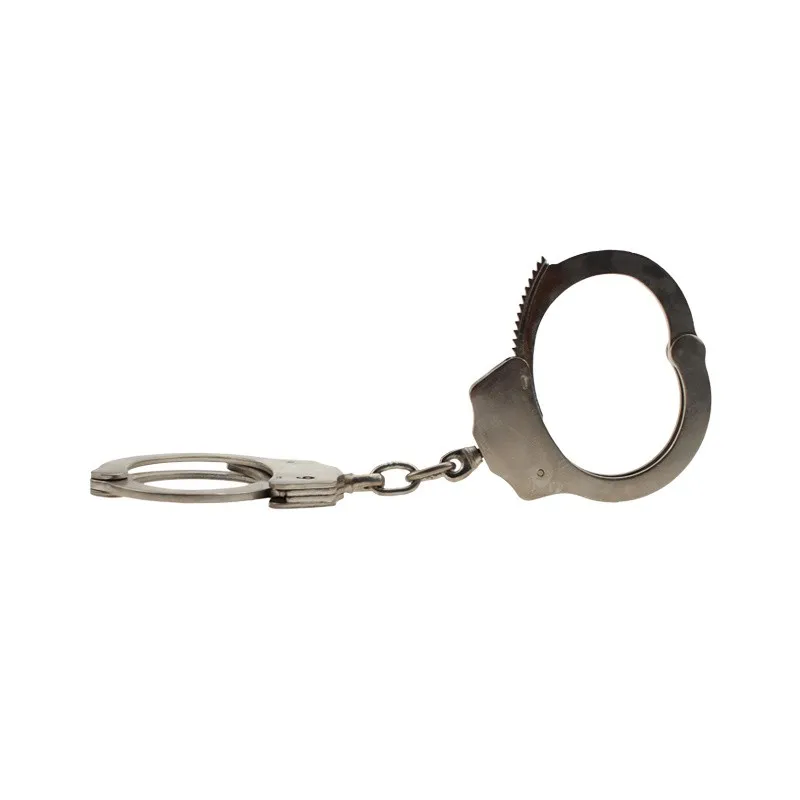
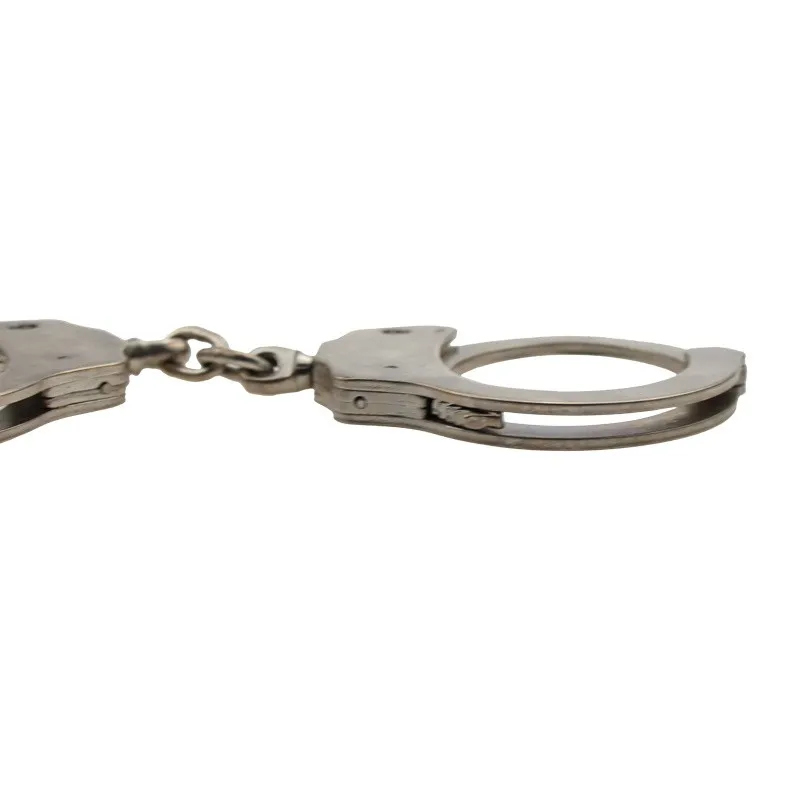
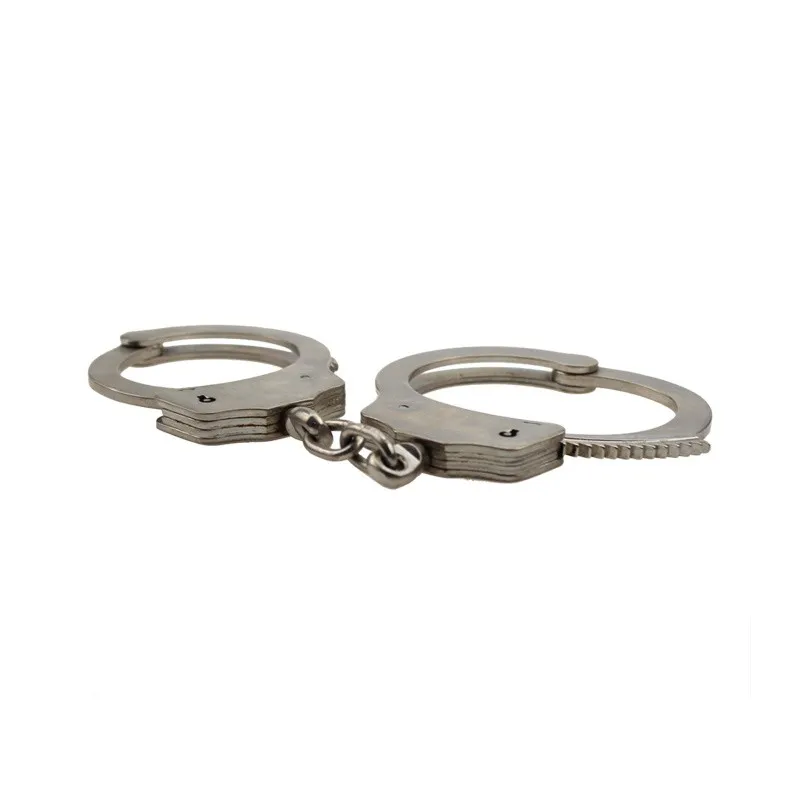
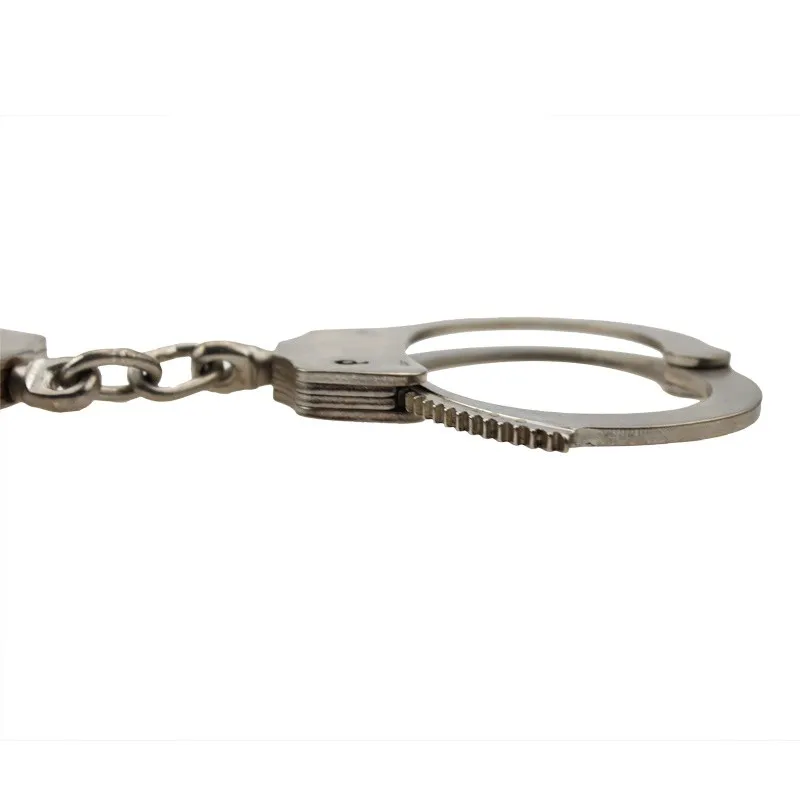
Nickel Plated Carbon Steel Police Handcuffs
- Details:
Model number: HC0824
Material: Nickel plated carbon steel
Weight: 280g
Length: 22.5cm
Min Diameter: 5.0cm- Send Inquiry
LVC ENGINEERING HOLDINGS JOINT STOCK COMPANY is one of the leading manufacturers and suppliers of nickel plated carbon steel police handcuffs in China. With abundant experience, we warmly welcome you to wholesale bulk nickel plated carbon steel police handcuffs from our factory. Customized orders are welcome.
- Product name: Nickel plated carbon steel handcuffs
- Model number: HC0824
- Material: Nickel plated carbon steel
- Weight: 280g
- Length: 22.5cm
- Min Diameter: 5.0cm
- Max Diameter: 7.8cm
- Teeth: 20

Introduction and Analysis of Handcuffs
Handcuffs are a widely used restraint device in the modern judicial system. They are mainly used to restrict the limb movement (usually the wrists) of arrested persons or criminals to prevent them from escaping, harming themselves, or harming others.
FAQ
LVC ENGINEERING HOLDINGS JOINT STOCK COMPANY is one of the most professional bulletproof equipment manufacturers and suppliers in Viet Nam, featured by quality products and good service. Please rest assured to wholesale bulk customized bulletproof equipment from our factory.
Popular Products
-
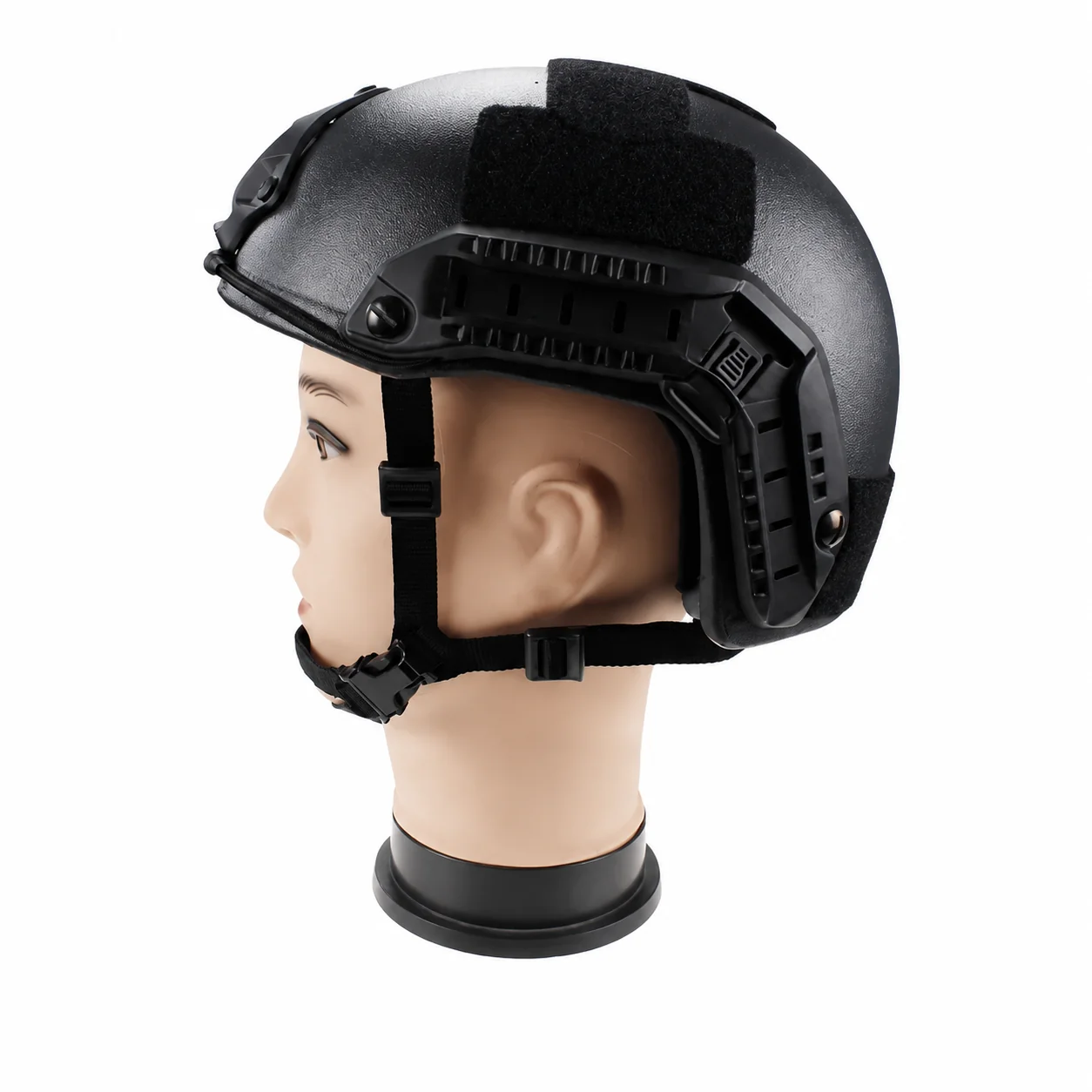 Military FAST Bulletproof Helmet NIJ IIIA Black
Model number: BH1417
Material: Aramid or UHMWPE
Unit weight: ≤1.50KG
Protective area: 0.11m^2
Thickness: 6.7-7.0mm -
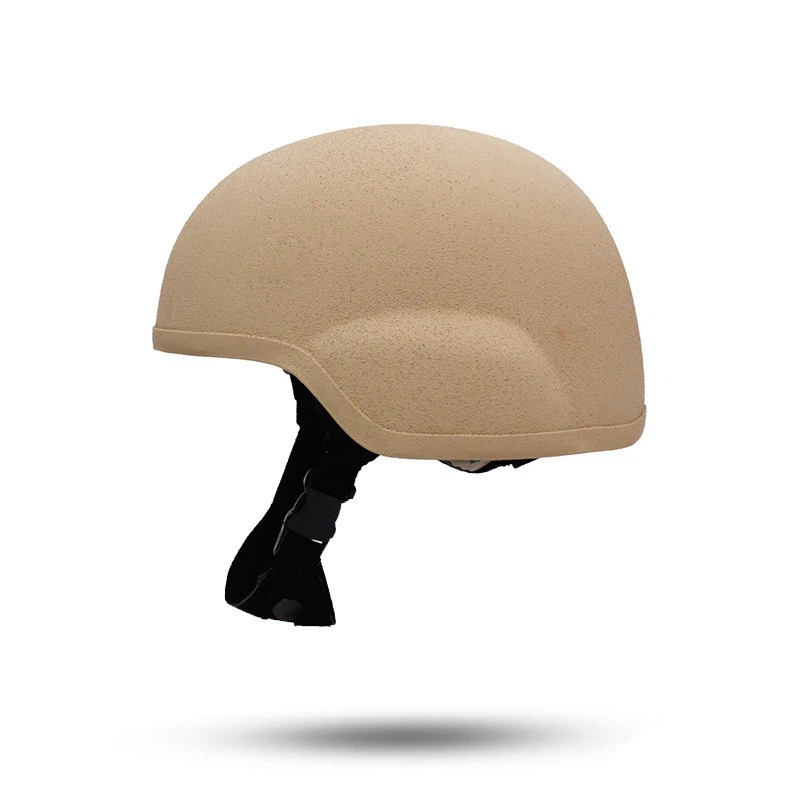 Bulletproof Helmet MICH2000 Khaki Color without Rails
Model number: BH2041
Material: Aramid or UHMWPE
Unit weight: ≤1.55KG
Protective area: 0.13m^2
Thickness: 6.7-7.0mm -
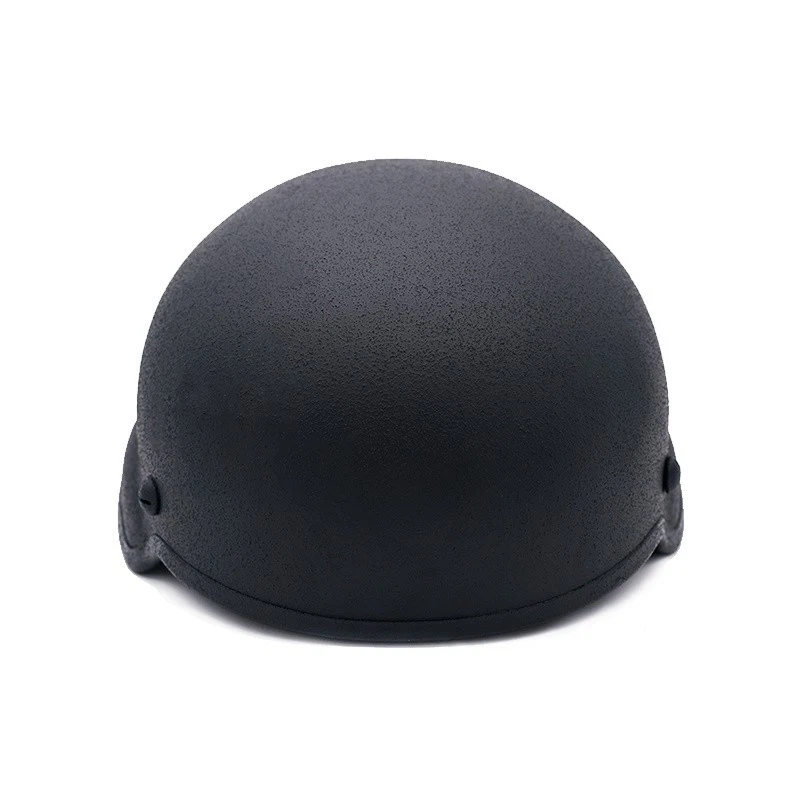 Bulletproof Helmet MICH2000 Middle Cut without Rails
Model number: BH2057
Material: Aramid or UHMWPE
Unit weight: ≤1.55KG
Protective area: 0.13m^2
Thickness: 6.7-7.0mm -
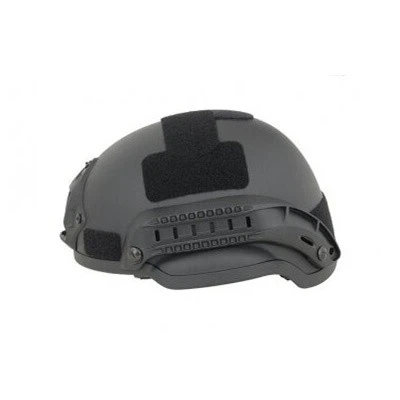 Police MICH Bulletproof Helmet Middle Cut with Tactical Rail
Model number: BH2469
Material: Aramid or UHMWPE
Unit weight: ≤1.55KG
Protective area: 0.13m^2
Thickness: 6.7-7.0mm -
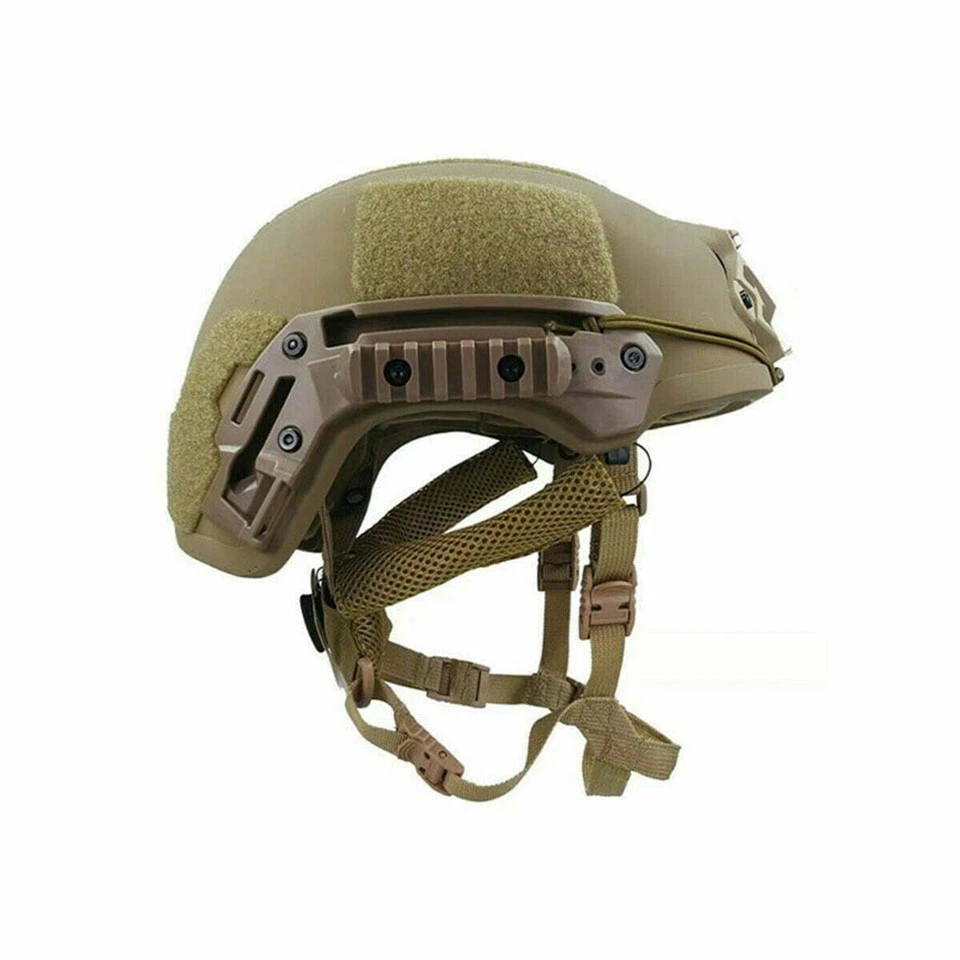 New Design ACH bulletproof helmet
Product model: BH2025
Level: IIIA 9mm
Material: aramid
Weight: 1.45kgs
The weight of the helmet: 1476 ± 50g -
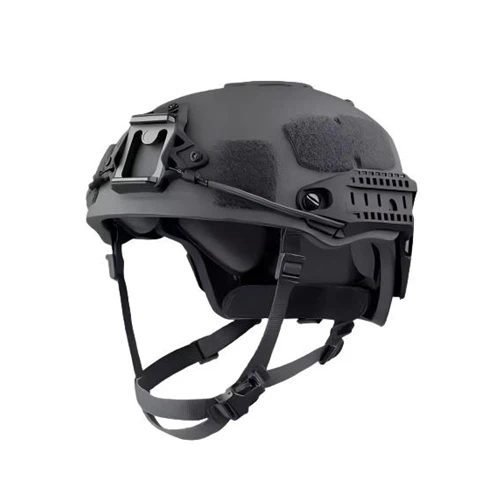 Police Airsoft bulletproof helmet
Product model: BH2024
Level: IIIA 9mm
Material: Aramid
The weight of the first half of the helmet: 573g, the weight of the rear helmet: 463g
The weight of the helmet: 1476 ± 50g
Send Inquiry
-
No. 174 Thanh Am Street, Viet Hung Ward, Ha Noi City, Viet Nam
Copyright © LVC ENGINEERING HOLDINGS JOINT STOCK COMPANY (Tax code: 0110592775)