


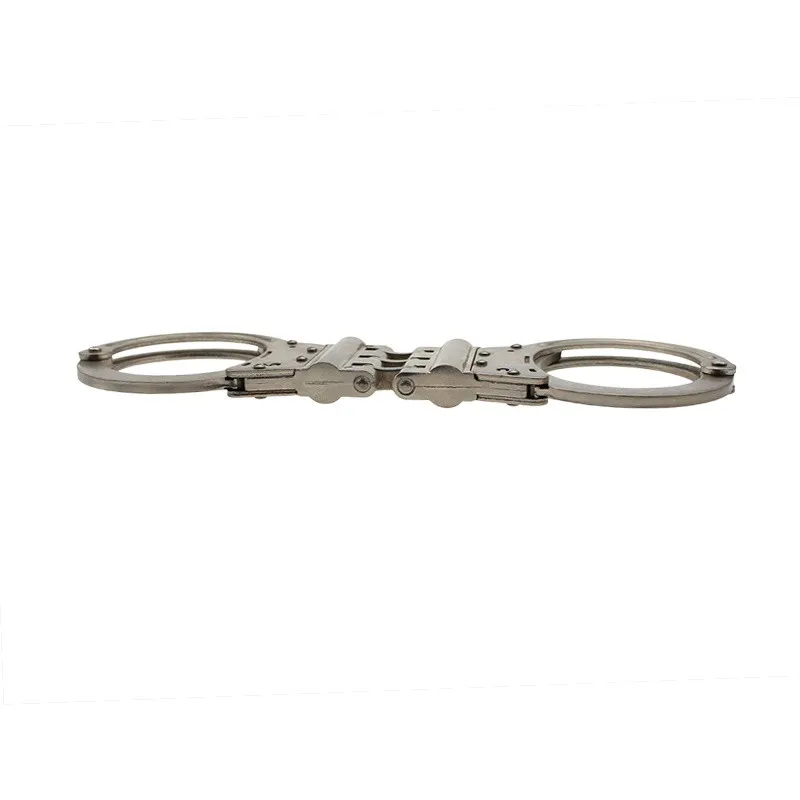
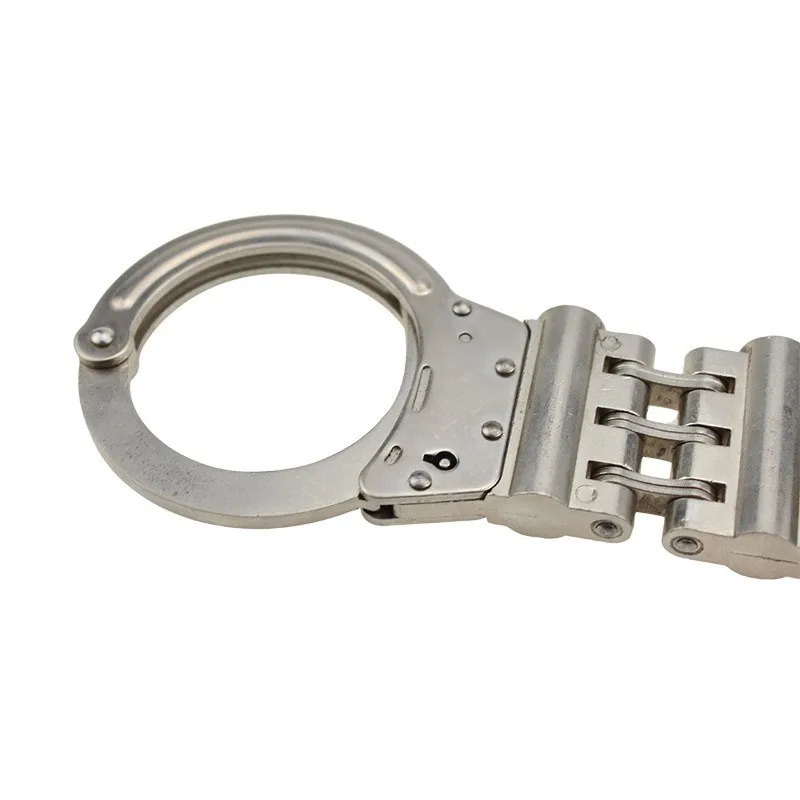
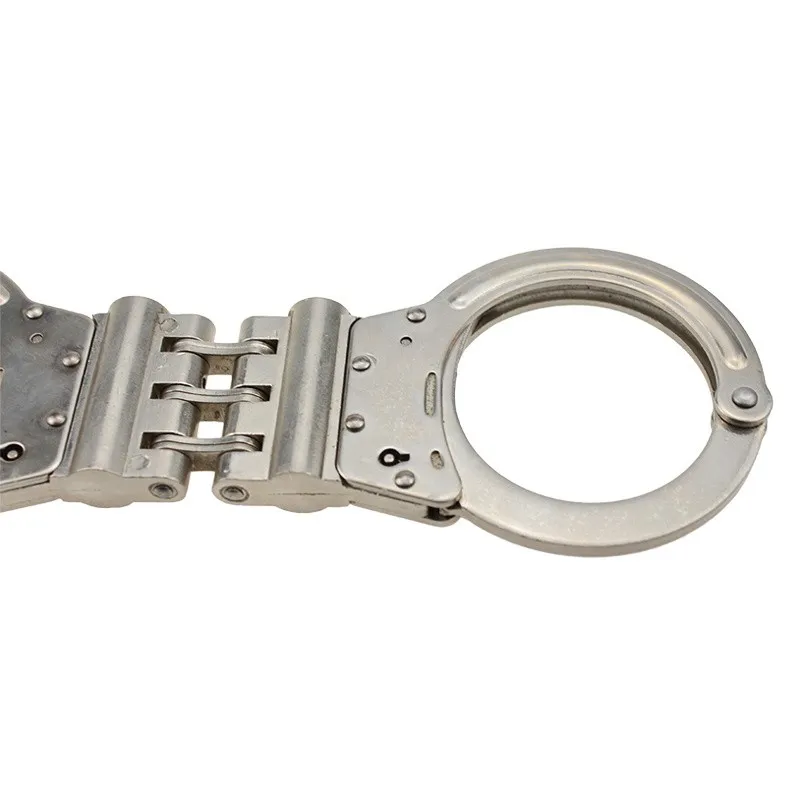
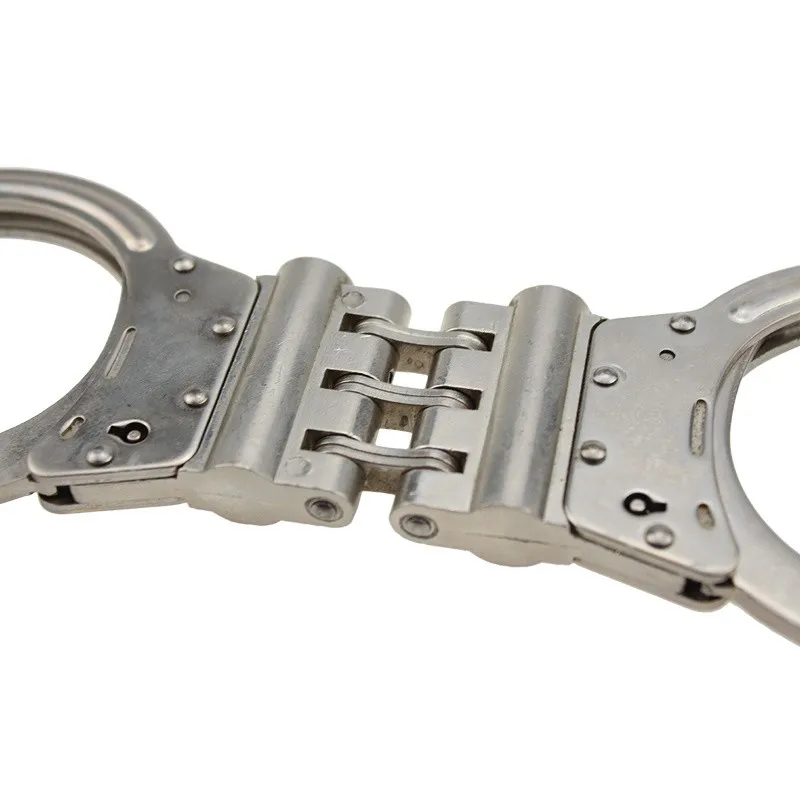
Còng tay cảnh sát mạ niken phong cách cổ điển
- Thông tin chi tiết:
Số mô hình: HC0212
Chất liệu: Thép cacbon mạ Niken
Trọng lượng: 350g
Chiều dài: 23,5cm
Đường kính tối thiểu: 5,5cm- Gửi Yêu Cầu
CÔNG TY CỔ PHẦN LVC ENGINEERING HOLDINGS là một trong những nhà sản xuất và cung cấp hàng đầu về còng tay cảnh sát mạ niken phong cách cổ điển ở Trung Quốc. Với kinh nghiệm phong phú, chúng tôi nồng nhiệt chào đón bạn bán buôn số lượng lớn còng cảnh sát mạ niken kiểu cổ điển từ nhà máy của chúng tôi. Đơn đặt hàng tùy chỉnh được chào đón.
- Tên sản phẩm: Còng tay thép carbon mạ niken
- Số mô hình: HC0212
- Chất liệu: Thép cacbon mạ Niken
- Trọng lượng: 350g
- Chiều dài: 23,5cm
- Đường kính tối thiểu: 5,5cm
- Đường kính tối đa: 7,8cm
- Răng: 21
- Khóa đôi với các phím khác nhau

Nâng cấp công nghệ
Câu hỏi thường gặp
CÔNG TY CỔ PHẦN LVC ENGINEERING HOLDINGS là một trong những nhà sản xuất và cung cấp thiết bị chống đạn chuyên nghiệp nhất tại Việt Nam, nổi bật bởi các sản phẩm chất lượng và dịch vụ tốt. Hãy yên tâm để bán buôn thiết bị chống đạn tùy chỉnh số lượng lớn từ nhà máy của chúng tôi.
Sản phẩm phổ biến
-
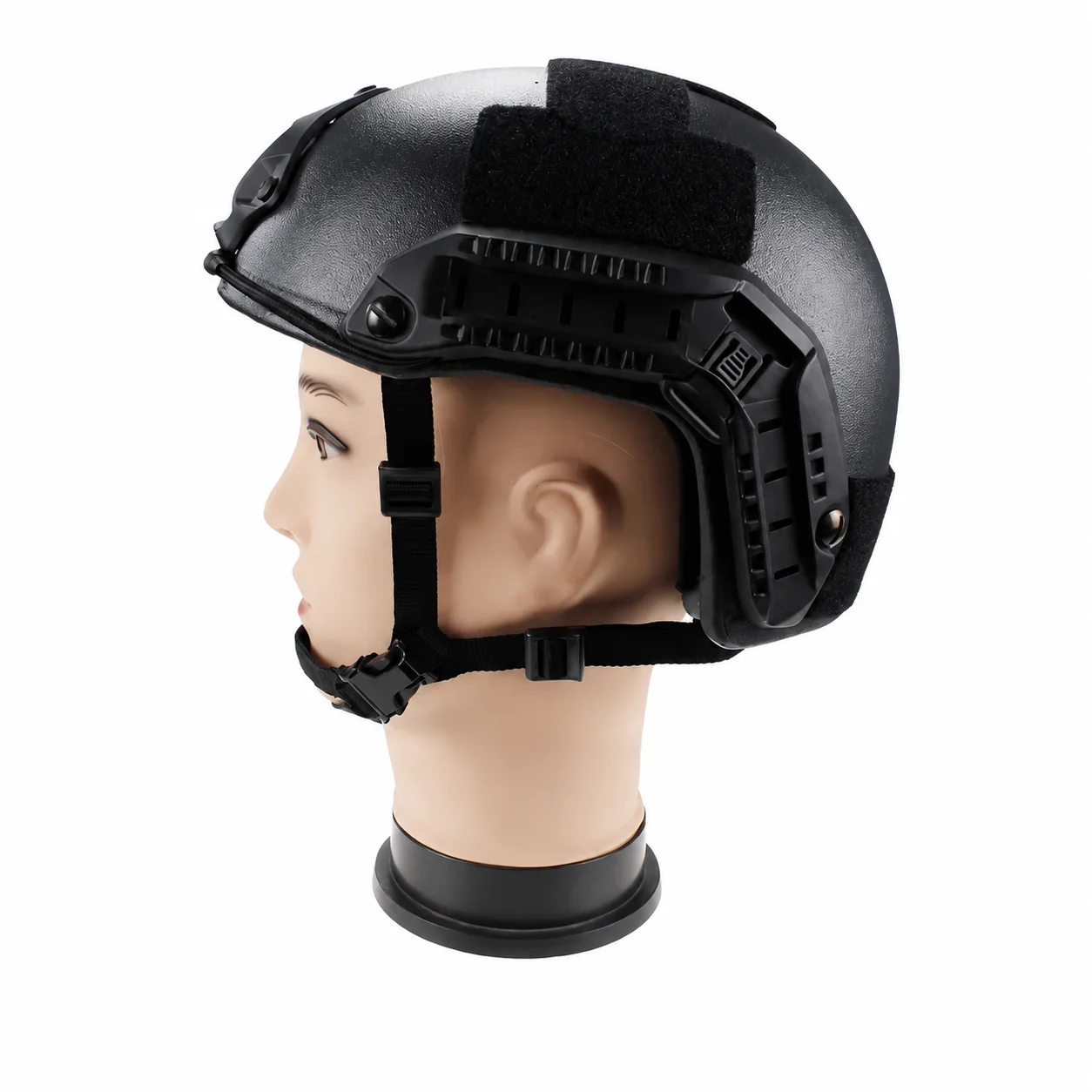 Mũ bảo hiểm chống đạn NHANH CHÓNG quân đội NIJ IIIA Đen
Số mô hình: BH1417
Chất liệu: Aramid hoặc UHMWPE
Đơn vị trọng lượng: Nhỏ hơn hoặc bằng 1,50kg
Diện tích bảo vệ: 0,11m^2
Độ dày: 6,7-7,0mm -
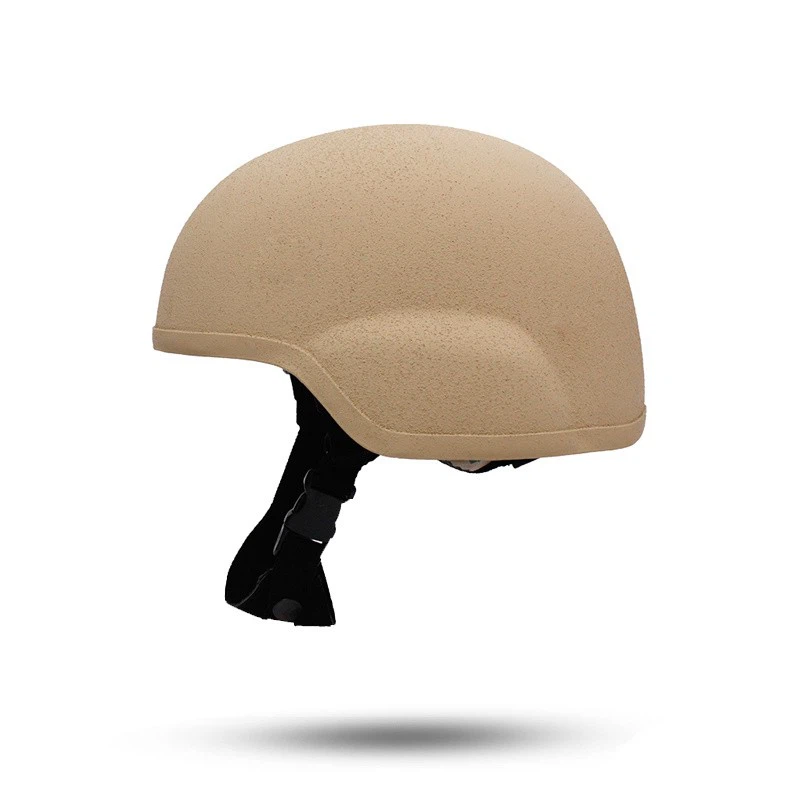 Mũ bảo hiểm chống đạn MICH2000 Màu kaki không có ray
Số mô hình: BH2041
Chất liệu: Aramid hoặc UHMWPE
Đơn vị trọng lượng: Nhỏ hơn hoặc bằng 1,55kg
Diện tích bảo vệ: 0,13m^2
Độ dày: 6,7-7,0mm -
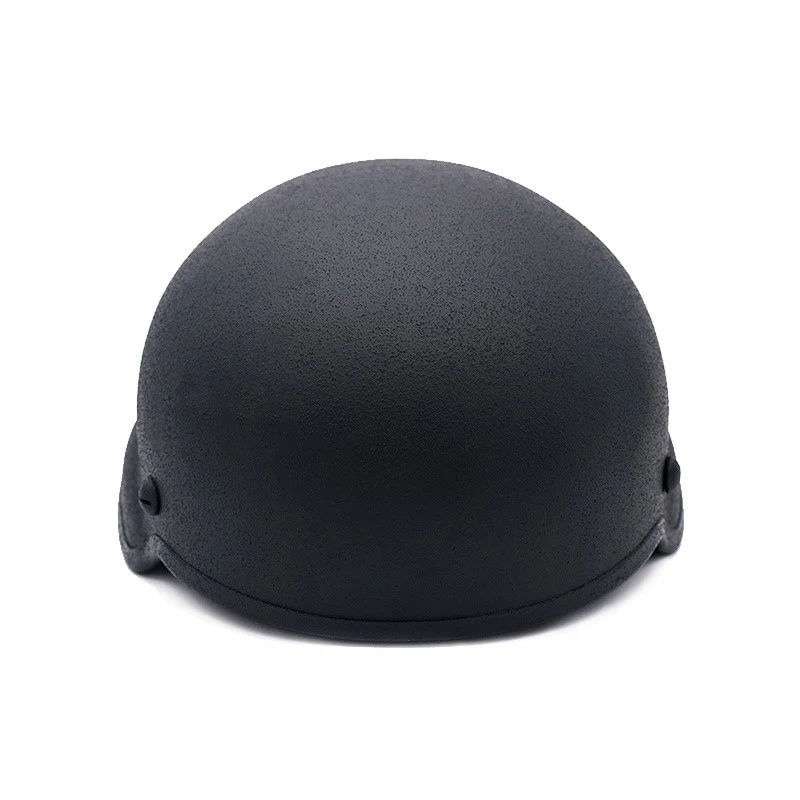 Mũ bảo hiểm chống đạn MICH2000 cắt giữa không có ray
Số mô hình: BH2057
Chất liệu: Aramid hoặc UHMWPE
Đơn vị trọng lượng: Nhỏ hơn hoặc bằng 1,55kg
Diện tích bảo vệ: 0,13m^2
Độ dày: 6,7-7,0mm -
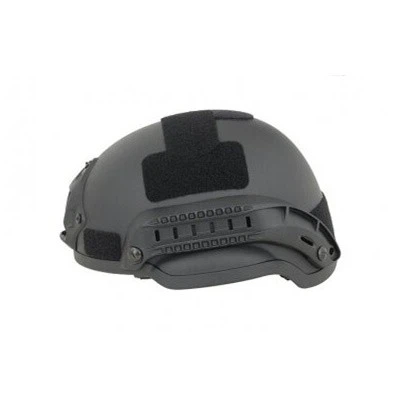 Mũ bảo hiểm chống đạn MICH của cảnh sát cắt giữa với đường ray chiến thuật
Số mô hình: BH2469
Chất liệu: Aramid hoặc UHMWPE
Đơn vị trọng lượng: Nhỏ hơn hoặc bằng 1,55kg
Diện tích bảo vệ: 0,13m^2
Độ dày: 6,7-7,0mm -
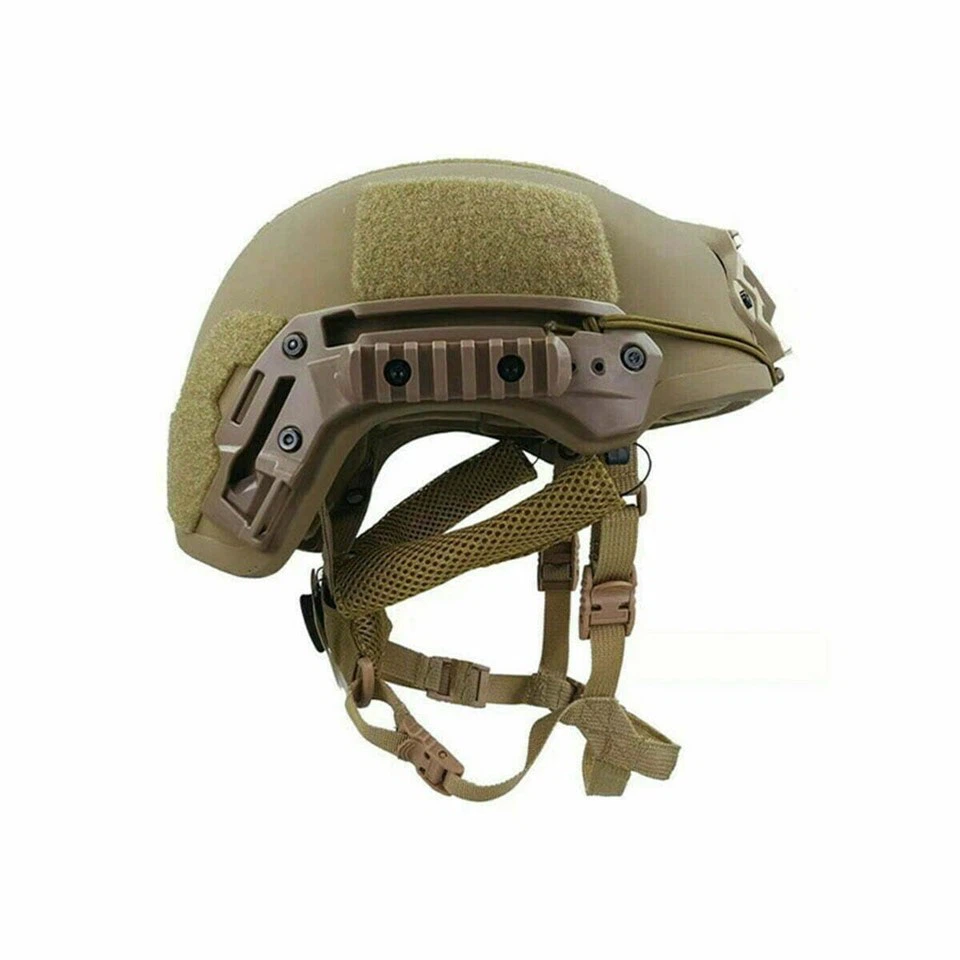 Mũ bảo hiểm chống đạn thiết kế mới
Model sản phẩm: BH2025
Cấp độ: IIIA 9mm
Chất liệu: aramid
Trọng lượng: 1,45kg
Trọng lượng mũ: 1476 ± 50g -
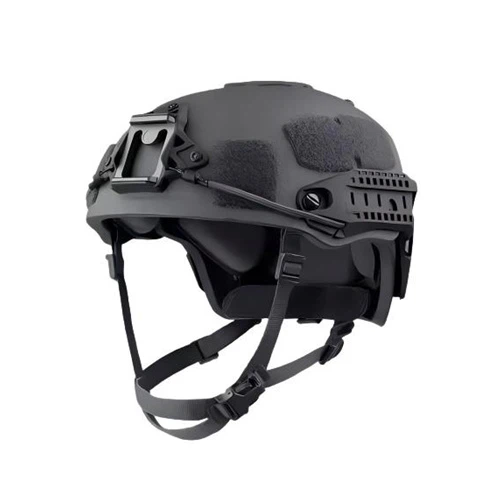 Mũ bảo hiểm chống đạn airsoft
Model sản phẩm: BH2024
Cấp độ: IIIA 9mm
Chất liệu: Aramid
Trọng lượng nửa đầu mũ: 573g, trọng lượng nửa sau: 463g
Trọng lượng mũ: 1476 ± 50g
Gửi yêu cầu
-
Số 174 Đường Thanh Am, Phường Việt Hưng, Thành phố Hà Nội, Việt Nam
Bản quyền © CÔNG TY CỔ PHẦN LVC ENGINEERING HOLDINGS (Mã số thuế: 0110592775)